Ramadan traditions in Pakistan center on fasting, prayer, charity and shared meals. For people observing the fast, the day begins with sehri before dawn and ends with iftar at sunset. Family routines, food preparation and evening gatherings often change, but there is no single schedule or menu followed by every household.
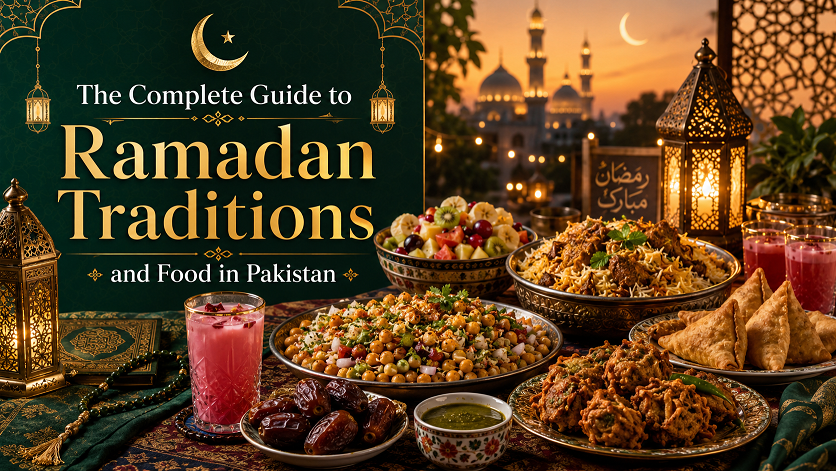
Dates, pakoras, samosas, chana chaat and familiar drinks may appear at iftar, while sehri might include roti, eggs, yogurt or food prepared earlier. These dishes help shape the cultural experience of the month, but a large spread is not a requirement of Ramadan.
This guide explains the main terms, everyday customs, food traditions and etiquette for guests, including readers encountering Pakistani Ramadan gatherings for the first time. It is a cultural overview, not a prayer timetable, medical fasting plan or individual religious ruling.
Ramadan basics · Sehri · Iftar foods · Prayer and charity · Guest etiquette · Eid ul-Fitr
What is Ramadan, and how is it observed in Pakistan?
Ramadan is the ninth month of the Islamic lunar calendar. Muslims who are required and able to fast abstain from food and drink, among other restrictions, during the fasting period. Prayer, reflection, generosity and attention to conduct are central parts of the month alongside fasting.
Pakistan’s public life is strongly influenced by Ramadan, but not everyone in the country is Muslim, and not every Muslim is fasting on a particular day. Health, travel and other personal circumstances can affect observance. It is inappropriate to demand that someone explain publicly why they are eating or not fasting.
Quran 2:185 connects Ramadan with the revelation of the Quran and addresses concessions for illness and travel. Questions about an individual’s obligations or alternatives need qualified guidance rather than assumptions based on appearance.
Dawn is not sunrise
The daily fast begins at dawn, not at sunrise and not simply when a person finishes eating sehri. Quran 2:187 describes the dawn boundary for eating and drinking and completing the fast until night. Iftar is observed at the appropriate sunset time.
Use a reliable local timetable that matches the date, city and religious guidance you follow. Karachi, Quetta, Lahore and Islamabad do not share one fixed sehri or iftar time. Times also change through the month and across seasons, so a generic clock time in a food article is not a safe substitute.
Why do Ramadan dates change?
The Islamic lunar year is shorter than the Gregorian solar year, so Ramadan moves through the seasons over time. The month has 29 or 30 days. Its beginning and the start of Eid are determined according to the moon-sighting or calendar approach followed by the relevant authorities and communities.
For Pakistan-specific plans, check the official announcement for the year rather than treating an advance calendar estimate as final. Muslims living in the United States should follow their own local timing and community guidance, not Pakistan’s sunset time.
A Ramadan day without misleading clock times
| Part of the day | Common activity | Important distinction |
|---|---|---|
| Before dawn | Sehri, the pre-fast meal | Eating and drinking finish by the applicable dawn boundary. |
| Dawn and daytime | Fajr prayer, fasting and daily responsibilities | Work, school, caregiving and rest vary by household. |
| Sunset | Iftar and Maghrib prayer | Follow the correct local time, not a national fixed hour. |
| Later evening | Dinner, Isha and Ramadan night worship | Taraweeh is associated with the period after Isha, not immediately after sunset. |
| Night | Rest, family time or other responsibilities | Not every household shops late or attends a large gathering. |
Some offices, schools, shops and services adjust their hours during Ramadan. Those arrangements are specific to the institution and year. Confirm opening times before travelling, and do not assume that every business follows the same reduced schedule.
Sehri: the pre-dawn meal
Sehri, also called suhoor, is the meal eaten before the fast begins. In Pakistani households it can be a freshly prepared breakfast, a simple meal assembled from available ingredients or part of the previous evening’s food that has been stored and reheated appropriately.
Common options include roti or paratha, eggs, yogurt, daal, rice and curry. Some families prefer oats, fruit or other lighter foods. There is no rule that sehri must be heavy, fried or identical from one day to the next.
For a manageable routine, decide what to eat before going to bed, set out nonperishable ingredients and allow time for preparation. Share the work where possible. The month can become unnecessarily tiring when one person is expected to cook elaborate meals before dawn and again before sunset.
Is chai essential at sehri?
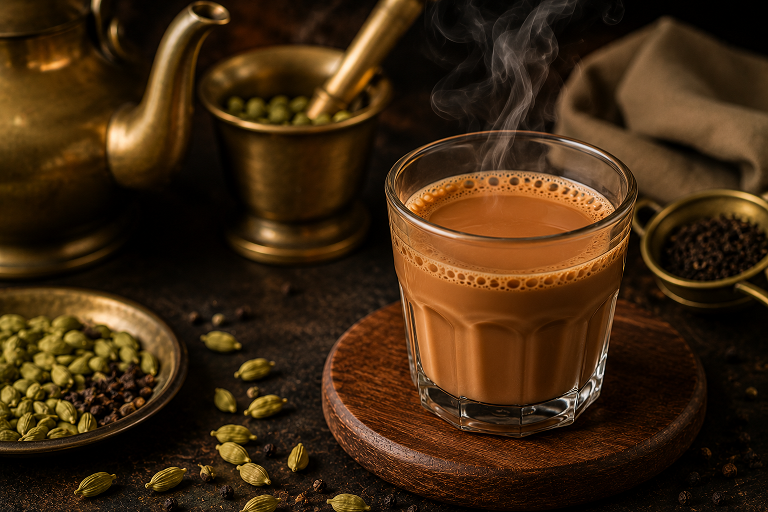
Tea is familiar in many homes, but it is optional. Some people enjoy a cup at sehri, others prefer it after iftar, and others avoid it. A food tradition should not be presented as a nutritional necessity or a requirement for fasting.
If you want a measured tea recipe, our stovetop masala chai explains the ingredients and method. Brew only what you need, and leave enough time to drink comfortably before the applicable cutoff rather than rushing a hot cup.
People with health conditions, pregnancy-related concerns or prescribed medication should discuss fasting and medicine schedules with a qualified clinician, alongside appropriate religious guidance. Do not change medication timing or stop treatment based on a cultural food guide.
Iftar: breaking the fast
Iftar is the breaking of the fast at the appropriate sunset time. Dates and water are familiar choices, followed by other food according to the household’s practice. Some people have a small initial serving, pray Maghrib and eat dinner later; others organize the meal differently.
In a family gathering, the minutes before iftar can involve setting out water, sharing food, making supplication and waiting for the correct time. Help with practical tasks rather than assuming the hosts have everything covered.
The meal can be modest. A table filled with many fried snacks, multiple desserts and several drinks is one style of hospitality, not the definition of a successful Ramadan evening. A small, thoughtfully prepared meal can be equally welcoming.
Pakistani Ramadan foods: what you may find on the table
The following dishes are associated with Ramadan in many households, but most are also eaten at other times of the year. Samosas and pakoras do not disappear outside Ramadan, and no single food list describes every region or family.
Dates
Dates are often placed on the table for breaking the fast. The variety, serving quantity and presentation differ. Hosts can offer dates and water without turning the first moments of iftar into a complicated serving sequence.
Samosas and rolls
Samosas are filled pastries, commonly containing spiced potato, minced meat or other fillings. Rolls may contain vegetables, chicken or another mixture. Ask about the filling if you have dietary requirements; appearance alone does not tell you what is inside.
Pakoras
Pakoras are fritters commonly made with a seasoned gram-flour batter and ingredients such as onion, potato or spinach. Families may fry them fresh at home or buy them nearby. They are a popular option, not something every iftar must include.
Dahi baray
Dahi baray combine soft dumplings with yogurt and toppings such as chutney and chaat masala. Recipes vary in sweetness, spice and dumpling mixture. Because yogurt is perishable, keep the dish chilled until close to serving rather than leaving it on the table through a warm afternoon.
Chana chaat
Chana chaat is a seasoned chickpea dish that may include onion, tomato, potato, chilies, lemon or tamarind. It is convenient to portion for guests, and its seasoning can be adjusted. Serve extra chilies or chutney separately when preferences differ.
Fruit chaat
Fruit chaat combines cut fruit with seasoning that may include chaat masala, citrus or black salt. Some households add sugar or juice; others keep it simpler. Use available fruit rather than assuming an expensive imported assortment is necessary.
Sharbat and other drinks
Rooh Afza is a familiar branded sharbat concentrate, often mixed with water or milk. It is not simply another name for all rose syrup. Product versions can differ; consult the bottle and Hamdard Pakistan’s product information rather than assuming the same formulation everywhere.
Water, lemonade, milk-based drinks and other household favorites may also be served. Sweetened drinks are optional. There is no need to promise special health benefits or repeat unsupported sales statistics to explain a drink’s cultural familiarity.
Dinner after iftar
Some families serve roti and curry, daal, rice, vegetables or a larger dish such as biryani later in the evening. Others combine their main meal with iftar. If you are a guest, ask whether dinner is included instead of assuming the first round of snacks is the entire meal.
For more food names and descriptions, explore our beginner’s guide to Pakistani cuisine. It covers dishes beyond the Ramadan table and helps explain unfamiliar menu terms.
Planning an iftar menu without unnecessary expense
Begin with the number of people you are feeding and whether dinner follows. A practical small menu might include water and dates, one savory item, fruit or chana chaat, and a main dish if needed. This is a planning example, not a prescribed religious menu.
Choose dishes that share ingredients, but do not make so much that leftovers become difficult to store. Check what is already in the kitchen before buying more. Seasonal produce and a shorter menu may be more useful than purchasing many specialty items for one evening.
If ordering a restaurant iftar box or buffet, compare the actual contents, portion sizes, delivery time and total price. Ask whether drinks, service charges and taxes are included. Confirm cancellation terms and how the provider handles food during transport.
There is no reliable nationwide “Ramadan buffet price” that applies to every city, date and restaurant. Use current written prices from the provider. Do not assume a larger discount means better value if the package contains food your guests will not eat.
Food preparation and safe storage
Prepare components ahead where practical, but distinguish convenience from leaving food unrefrigerated. Keep yogurt dishes and other perishables cold, use clean utensils and separate raw meat from ready-to-eat food.
FoodSafety.gov’s basic guidance recommends refrigeration at 40°F (4°C) or below and refrigerating perishables within two hours, or one hour when exposed to temperatures above 90°F (32°C). These limits matter when preparing an iftar spread well before sunset.
For a gathering, arrange a serving and replenishment plan rather than placing every dish out at once. Pack leftovers promptly into suitable containers. If distributing food, coordinate preparation, transport and delivery so recipients receive food that has been handled safely.
Prayer, charity and community life
Taraweeh and night worship
Taraweeh refers to Ramadan night prayers commonly offered after Isha. It should not be described simply as a prayer performed immediately after iftar. Islamic Relief Canada’s Taraweeh guide explains this placement after the obligatory Isha prayer.
Practices differ among Muslim communities, including approaches to congregation and the structure of night worship. This guide does not prescribe a single number of prayer units or judge another community’s practice. Ask your mosque or qualified religious adviser for guidance relevant to you.
Charity and shared meals
Families, mosques, volunteers and organizations may arrange meals or food parcels for others during Ramadan. These activities can support travelers, neighbors and people facing food insecurity. Help can also involve time, transport or practical assistance rather than only a large donation.
Zakat, voluntary sadaqah and zakat al-fitr are distinct concepts; they should not be presented as interchangeable names for donating food. Zakat obligations are not universally confined to Ramadan. Eligibility, calculation and timing questions need qualified guidance based on the person’s circumstances.
Before contributing to a collection, verify who is organizing it and how funds will be used. Ask whether a campaign accepts the category of donation you intend to make. Preserve recipients’ dignity, and do not assume accepting a meal means consenting to photographs or promotional videos.
Markets and evenings
Some neighborhoods become busy in the evening with food shopping, family visits and preparations for Eid. Others are quieter, and work or school commitments may limit late-night activity. Avoid portraying the whole country as following one sleep pattern.
Ramadan bazaars, where available, may serve practical shopping needs as well as seasonal demand. Their locations and hours change, so check local information before setting out. Leave extra travel time around busy periods instead of assuming a fixed traffic pattern.
Etiquette when you are invited to iftar
You do not need to be Muslim or Pakistani to accept a personal invitation to share iftar. Ask what time to arrive and whether the hosts would like you to bring anything. Arrive early enough to settle in without disrupting the moments immediately before sunset.
- Confirm the guest count and mention important dietary requirements beforehand.
- Wait for the hosts’ cue to begin rather than relying on your own phone’s approximate time.
- Ask before bringing a dish, especially one containing meat or unfamiliar ingredients.
- Offer practical help with plates, water or clearing up.
- Respect time set aside for prayer and ask where you can wait comfortably.
- Do not pressure anyone to eat more, drink tea or explain why they are not fasting.
- Ask before photographing people, private rooms or charitable food distributions.
A greeting such as “Ramadan Mubarak” is a warm way to offer good wishes. A simple thank-you to the hosts is equally appropriate. You are not expected to perform religious practices you do not follow in order to be a considerate guest.
Understanding Ramadan in Pakistan from the United States
If you attend a Pakistani family’s iftar in the United States, the food may feel familiar from this guide, but the schedule must reflect the local sunset. Work hours, school routines and travel distances also shape what a household can organize.
Ingredients may be adapted to what is available locally. A family might buy frozen samosas, prepare a small pot of daal or hold a weekend gathering instead of entertaining every evening. These choices do not make the observance less meaningful.
If you are visiting Pakistan, confirm restaurant availability, opening hours and local requirements with reliable current sources. Do not assume that every restaurant is open for daytime meals or that an old travel article describes present arrangements. People who need food or medication during the day should make suitable plans in advance.
Eid ul-Fitr and the end of Ramadan
Eid ul-Fitr marks the end of Ramadan and the beginning of Shawwal. Its date follows the announcement or calendar approach recognized by the relevant community. Social celebrations and public holidays can extend over several days, but those arrangements should not be confused with a fixed holiday schedule that never changes.
Common Pakistani customs include Eid prayer, greeting relatives, sharing meals, dressing for the occasion and giving children eidi, often money or a gift. New clothing is popular, but buying something new is not the measure of a meaningful celebration.
Chand Raat
Chand Raat refers to the evening associated with the sighting or announcement of the Eid moon. Some families use it for final shopping, henna or preparing food. Others spend the evening quietly at home. Market activity and family customs vary.
Sheer khurma and sweet dishes
Sheer khurma is a milk-and-vermicelli dessert often made with dates, nuts or dried fruit. It is associated with Eid in many households, though recipes and preferences differ. Other families serve different sweets or savory dishes.
Chai may accompany visits or follow a meal. If you are preparing a small pot for guests, our cardamom karak chai recipe gives quantities you can scale carefully. Offer alternatives rather than assuming everyone drinks tea.
Frequently asked questions
Is Ramadan the same as Ramzan?
Both names are used for the same Islamic month. Ramadan is common in English and Arabic-based transliteration, while Ramzan is also familiar in Urdu and South Asian usage.
What is the difference between sehri and iftar?
Sehri is the meal before dawn and the start of the fast. Iftar is the breaking of the fast at the appropriate sunset time. Neither has one fixed clock time throughout Pakistan.
Do Pakistanis eat samosas only in Ramadan?
No. Samosas, pakoras, chaat and many other familiar iftar foods are eaten throughout the year. Ramadan gives them a particular place in some household routines, not an exclusive season.
Does every iftar need several dishes?
No. A simple meal is entirely possible. The size of the spread depends on resources, preferences and circumstances, and should not become a source of pressure on the people preparing it.
Can visitors attend a community iftar?
Many gatherings welcome visitors, but check the organizer’s arrangements first. Some require registration or have limited capacity. Ask rather than assuming every event is open to unlimited guests.
When is Taraweeh?
It is associated with Ramadan night worship after Isha. Check the mosque’s current schedule for attendance rather than assuming it starts immediately after the sunset meal.
Is Rooh Afza compulsory at iftar?
No. It is a familiar drink in many families, not a religious requirement. Water and other suitable drinks can be served according to preference.
A month understood through both worship and everyday care
Food is one visible part of Ramadan in Pakistan, but it sits alongside worship, generosity, family responsibilities and personal circumstances. Understanding the month means leaving room for simple meals, different routines and people whose observance is not immediately visible.
For more food context, continue with our Pakistani cuisine guide. For another form of shared-meal hospitality, our Walima guide explains the marriage reception without treating it as the same kind of occasion as Ramadan.