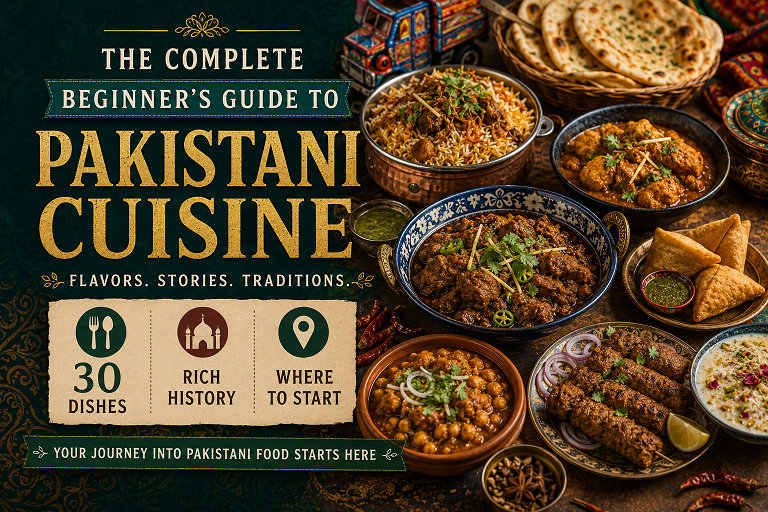
Pakistani cuisine includes far more than a plate of biryani or a restaurant curry. It includes everyday daal and roti, grilled kebabs, fragrant rice, vegetable dishes, regional breads, milk-based sweets and tea shared with guests. What appears on the table depends on the household, season, region and occasion.
If you are trying Pakistani food for the first time, start with a manageable meal: one main dish, bread or rice, and a side such as raita. This guide explains 30 dishes, the ingredients behind their flavors, and how to order or begin cooking without buying an entire spice shop.
Explore the regions · See the 30 dishes · Plan a first order · Build a starter pantry
What Does Pakistani Food Taste Like?
Expect a range of flavors rather than one level of heat. Ginger, garlic, cumin, coriander and browned onions can create a savory base. Cardamom and cinnamon contribute aroma; yogurt, tomatoes, lemon or tamarind may add tang. Chili supplies heat, but not every dish uses it in the same quantity.
A mildly seasoned pulao, a peppery karahi and a tangy plate of chaat can taste quite different. Even two kitchens making the same dish may use different amounts of oil, chili or spice. Ask about the particular preparation instead of assuming that all Pakistani food is fiery, creamy or meat-heavy.
Restaurant menus often foreground grilled meat and rich dishes served for celebrations. Everyday home cooking also includes lentils, seasonal vegetables, simple rice and flatbreads. Both belong in an introduction to the cuisine.
Regional Food Traditions: More Than Four Categories
Punjab, Sindh, Khyber Pakhtunkhwa and Balochistan provide useful starting points, but they do not exhaust the range of food traditions. The Pakistan Tourism Development Corporation’s country overview also recognizes Hunza, Kashmiri and Balti food traditions. Regional labels overlap and do not describe every family in a province.
Punjab
Punjabi food includes tandoor breads, lentils, rice, meat dishes and seasonal greens. Saag with makki di roti is a familiar example, while urban restaurant cooking offers many other combinations. It would be misleading to describe every Punjabi meal as heavy with butter or cream: simple roti and a vegetable dish are part of the picture too.
Sindh and Karachi’s Food Culture
Sindhi biryani is one well-known introduction, but rice, greens, lentils, vegetables, fish and meat all have a place in Sindhi cooking. Karachi adds a particularly varied urban food scene shaped by many communities. Its bun kebabs, biryani shops and barbecue should not be treated as representing just one community or one regional recipe.
Khyber Pakhtunkhwa and Pashtun Food Traditions
Chapli kebab, meat dishes and breads are useful entry points. Some preparations emphasize meat, salt and pepper; others use a more extensive mixture of spices and herbs. Chapli kebab itself is a good reminder that Pashtun food cannot be reduced to unseasoned grilled meat. Recipes differ between districts and households.
Balochistan
Sajji is a recognizable starting point for exploring Balochi food, with roasted meat taking center stage. Preparations and accompaniments vary, including chicken versions familiar on restaurant menus. Balochistan also contains diverse communities and coastal food traditions, so one roast cannot stand in for everything cooked across the province.
Gilgit-Baltistan and Other Northern Traditions
Include northern breads, dumplings and grain-based foods in your exploration. The Gilgit-Baltistan government’s food showcase highlights chapshuro, mamtu and buckwheat bread, among other foods. These make a useful counterpoint to the idea that Pakistani cuisine consists only of curry and naan. Kashmiri food traditions also deserve their own treatment rather than a passing label beneath another region.
Shared History Without Simple Borders
Many food traditions developed before modern national borders. Migration, trade and shared regional histories help explain why related breads, rice dishes and sweets appear across Pakistan, India and neighboring countries. Sharing a dish name does not mean every version tastes the same, and a national label does not prove exclusive ownership.
For a closer look, read our Pakistani and Indian food comparison. When exploring either cuisine, compare specific dishes and regional styles rather than treating two large, diverse food cultures as uniform opposites.
30 Pakistani Dishes and Foods to Know
This is a practical introduction, not a ranking or an official national list. Several foods are shared across South Asia, and some are better known from restaurants than everyday home meals.
1. Nihari
A slow-cooked, spiced meat stew, often made with beef or mutton. Its thick gravy is commonly finished with accompaniments such as ginger, lemon and green chili. Try it with naan, and ask which garnishes are served separately if you prefer less heat.
2. Karahi
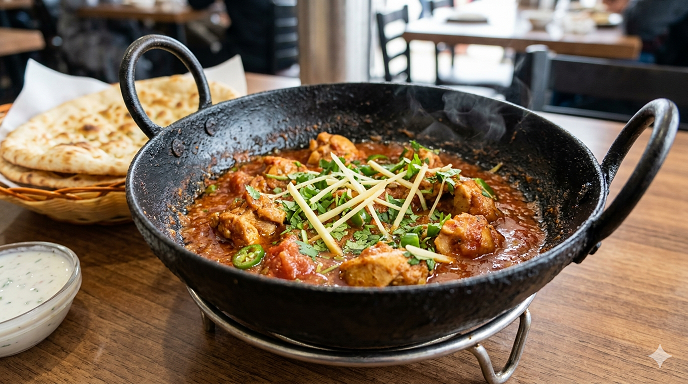
A meat dish named after the deep cooking pan, commonly prepared with chicken or mutton. Tomato, ginger and chili are familiar elements, but versions vary. Check whether a restaurant’s half or full karahi refers to meat weight, a serving size or its own house portion.
3. Haleem
A thick preparation combining meat, lentils and grains, usually including wheat. Long cooking and mixing produce a cohesive texture rather than separate chunks in a thin broth. Fried onions, ginger and lemon are common toppings. It is not generally a gluten-free dish.
4. Seekh Kebab
Seasoned minced meat shaped around skewers and cooked, often over a grill. Beef, mutton and chicken versions are available. Seekh kebabs work as a shared starter or a main with bread and salad. Ask about the meat and any binders if ingredients matter to you.
5. Chapli Kebab
A broad, flattened minced-meat kebab associated with Pashtun cooking. Recipes may include tomato, coriander, pomegranate seeds and other seasonings. Its shape and pan-fried texture distinguish it from seekh kebab. The spice level depends on the cook.
6. Butter Chicken
Also called murgh makhani, this chicken dish has a rich tomato-and-butter-style sauce and may contain cream. It appears on many South Asian restaurant menus, including Pakistani ones. It is a familiar option for some beginners, but not a summary of everyday Pakistani cooking.
7. Sajji
A roasted-meat specialty associated with Balochistan. Lamb and chicken versions differ in size, cooking and presentation. Ask what comes with the order: bread, rice and sauces may be separate or included. Do not assume every version uses the same marinade or level of spice.
8. Sindhi Biryani
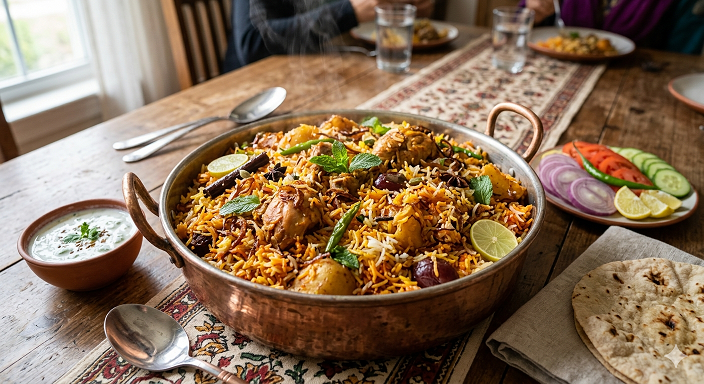
A layered rice dish with spiced meat and an aromatic, often tangy character. Some versions include potatoes or dried plums. The rice, meat, chili and souring ingredients vary by recipe. Raita is a useful accompaniment, but confirm whether it is included when ordering.
9. Yakhni Pulao
Rice cooked using a seasoned broth, often made with meat. It commonly tastes different from biryani because the rice absorbs the broth rather than being defined by a strongly spiced layered masala. It may be a gentler introduction, but ask about the particular recipe.
10. Zeera Rice
Rice flavored with cumin seeds. It can accompany daal, vegetables or a gravy dish without competing with every other flavor on the plate. Plain boiled rice is also common; cumin-flavored rice is one option, not a compulsory component of Pakistani meals.
11. Naan
A leavened flatbread often baked in a tandoor. Plain naan works well with gravy dishes; buttered, garlic and other versions add more flavor. Recipes may contain milk or yogurt, so ask rather than assuming that plain-looking bread is vegan.
12. Roti or Chapati
A usually unleavened wheat flatbread cooked on a tawa or griddle. It is a staple in many homes and pairs easily with lentils, vegetables and meat dishes. Roti is often thinner and less enriched than restaurant naan, although styles vary.
13. Paratha
A flatbread cooked with oil or ghee, often folded or layered. Plain and stuffed varieties are both familiar. Paratha is not the same as puri: puri is a smaller deep-fried bread, while paratha is generally cooked on a flat pan.
14. Daal Makhani
A rich lentil preparation commonly based on whole urad and sometimes kidney beans, finished with butter or cream. It is shared across Punjabi food traditions and appears on restaurant menus. For a simpler everyday lentil dish, look at the daal options below.
15. Saag
A cooked greens dish; mustard greens and spinach are familiar ingredients in Punjabi versions. It can be served with makki di roti, a cornmeal bread. Ask about butter or ghee if avoiding dairy, and remember that the mixture of greens is not fixed.
16. Chana Masala or Cholay
Chickpeas cooked with seasonings, sometimes in a tomato-and-onion-based sauce. The consistency and flavor vary, including preparations served at breakfast. It works with bread or rice and can be a useful meat-free choice when its cooking fat and stock are suitable.
17. Everyday Daal
Masoor, moong, mash and chana daal produce different textures and flavors. Some are served loose enough to spoon over rice; others are drier. A tarka or tadka of spices and aromatics heated in fat can be added to finish the dish.
18. Aloo Gobi
A potato-and-cauliflower preparation, often cooked fairly dry. It offers a different texture from creamy curries and pairs well with roti. Ask whether green chilies are mixed through the dish or added as a garnish if you are managing the heat.
19. Bhindi
Okra prepared in various ways, including with onions, tomatoes or spices. A drier bhindi dish can accompany daal and bread. Its texture depends heavily on technique; one restaurant’s version should not be taken as the only way it is cooked.
20. Bun Kebab
A street-food sandwich with a seasoned patty, chutney and other additions, sometimes including egg. The patty may contain lentils, meat or a combination. It is strongly associated with Karachi’s street-food scene, but the ingredients vary between sellers.
21. Gol Gappay
Crisp hollow shells filled with ingredients such as chickpeas or potato and tangy, spiced water. Also known elsewhere as pani puri, they combine crunch and sharp flavor. Ask for guidance on filling and eating them if it is your first time.
22. Samosa
A filled pastry, commonly triangular, with potato or minced-meat fillings among the possibilities. It is often fried and served with chutney. Check the filling instead of identifying it by appearance, particularly when choosing vegetarian food.
23. Halwa Puri
A breakfast combination built around deep-fried puri bread, sweet halwa and savory chickpeas, sometimes with a potato accompaniment. It is a meal rather than one single dish. The bread here is puri, not paratha, despite both being popular at breakfast.
24. Pakora
Fritters often made with a chickpea-flour batter and vegetables such as onion, potato or spinach. They are a familiar savory accompaniment to tea. Ingredients and frying arrangements vary, so do not assume every pakora is suitable for a particular allergy or diet.
25. Kheer
A milk-based rice pudding, often flavored with cardamom and finished with nuts or other additions. Its thickness and sweetness differ by household. Rosewater is optional rather than a required ingredient in every version.
26. Gajar Ka Halwa
A carrot dessert made by cooking grated carrots with ingredients such as milk, sugar and ghee. Nuts or milk solids may be added. It is especially associated with the carrot season and can appear at family meals and celebrations.
27. Jalebi
Fried coils of batter soaked in syrup. Fresh jalebi offers a contrast between its outer texture and sweet interior. It is usually very sweet, so a small shared portion can be a straightforward first taste after a meal or with tea.
28. Gulab Jamun
Soft fried sweets soaked in syrup, often made using milk solids or milk powder and other ingredients. Cardamom or rose flavor may appear in the syrup. Milk and wheat can be present, so check the recipe if avoiding either.
29. Chapshuro
A filled bread or savory pastry associated with Gilgit-Baltistan, commonly containing seasoned minced meat. It provides a different entry point into northern food than a restaurant curry. Filling, thickness and cooking style can vary.
30. Mamtu
Steamed dumplings, commonly with a meat filling, found in Gilgit-Baltistan’s food culture. They can be served with sauces or other accompaniments. Together with chapshuro, they illustrate why a beginner’s guide should look beyond the most internationally familiar dishes.
What to Order at a Pakistani Restaurant for the First Time
Choose dishes that complement each other instead of ordering several heavy mains because all the names are unfamiliar. Confirm serving sizes before paying: a curry bowl, a half karahi and a biryani portion do not necessarily serve the same number of people.
| Preference | A starting order | What to ask |
|---|---|---|
| Rice-based meal | Biryani or yakhni pulao with raita | Meat type, chili level and whether the raita is included |
| Bread and gravy | Chicken karahi with roti or naan | Bone-in or boneless, portion size and cooking time |
| Meat-free meal | Daal, aloo gobi and roti | Cooking fat, stock and dairy ingredients |
| Grilled-food preference | Seekh kebab with bread and salad | Meat choice, binders and how spicy the chutney is |
| Breakfast exploration | Halwa puri or paratha with an accompaniment | What is included in the breakfast set |
For delivery, consider how the food travels. Bread and fried snacks can soften in closed packaging, while gravy dishes may need separate containers. Read the actual menu description and recent information rather than treating a generic dish name as a promise about portion or quality.
Prices vary by city, restaurant, meat choice and portion. Compare the full order cost, including bread, sides, delivery and any disclosed charges. This guide does not present invented nationwide prices or claim that one menu format is always better value.
A Small Pantry for Pakistani Cooking
Buy ingredients for one or two planned recipes first. You can expand gradually rather than purchasing every spice mentioned in the guide.
- Basics: cooking oil, salt, onions, garlic, ginger and tomatoes.
- Dry staples: a bag of rice, one type of lentil and atta if making roti.
- Starter spices: cumin, coriander, turmeric and chili powder.
- Recipe-dependent extras: yogurt, garam masala, cardamom, cinnamon, cloves and dried fenugreek leaves.
- Finishing ingredients: fresh coriander, lemon and green chili where the recipe calls for them.
Check what a packet contains. In some markets, chili powder means ground chili; elsewhere it may be a seasoning mixture. Garam masala also varies by brand. Start with smaller packs and record what you used before deciding whether a recipe needs adjustment.
Chai spice mix is not a substitute for savory garam masala. Although the blends can share ingredients, their proportions and intended uses differ. Keep them separately labeled.
Three Cooking Techniques Worth Learning
Tarka or Tadka
This involves heating spices and often aromatics in oil or ghee, then using that flavored fat in a dish. It can be added toward the end of cooking, as illustrated by Food Fusion’s Lahori daal recipe. It is not simply another name for every onion-and-tomato curry base.
Cooking a Masala Base
Many dishes develop flavor by cooking onions, ginger, garlic, tomatoes and spices in stages. The exact order and ingredients depend on the recipe. Watch the color, moisture and smell, and add a little water when needed to prevent spices sticking and burning.
Managing Rice and Lentil Texture
Different rice varieties and lentils need different handling. Follow instructions for the particular ingredient rather than assuming all daal cooks like red lentils or all rice needs the same water. Lentils can become too soft, and rice can become mushy; neither is impossible to overcook.
A simple daal, a vegetable dish and rice make a useful first cooking project. Move to karahi or pulao after you are comfortable managing heat and seasoning. Biryani adds more stages, so it is easier when you already understand how your rice cooks.
Dietary Preferences, Allergens and Menu Questions
Vegetarian choices are available, but vegetarian and vegan are not interchangeable. Daal, vegetables and bread may contain ghee, butter, yogurt or cream. Rice may be cooked in meat broth, and a lentil patty may include egg. Ask about the actual preparation.
Wheat is present in many breads and can occur in dishes such as haleem. Milk and nuts appear in many desserts; recipes and kitchen cross-contact vary. If you have an allergy, tell the restaurant clearly rather than relying on appearance or a generic description in this guide.
If halal status is important to you, confirm the restaurant’s meat sourcing or relevant certification directly. The cuisine label alone is not verification of a particular business’s practices.
Where Chai Fits
Chai is a familiar part of hospitality and everyday breaks, but it does not necessarily finish every meal. Tea might arrive with biscuits, samosas or pakoras, or be enjoyed without food. Households differ in timing, sweetness and milk preference.
To bring that part of the experience home, try our masala chai recipe or the more cardamom-focused karak chai recipe. For a broader introduction to celebrations and food, see our Pakistani wedding guide.
Frequently Asked Questions
Is Pakistani food always spicy?
No. Aromatic spices and chili heat are different things. Ask about a specific dish and whether chili can be adjusted. A mild-sounding name is not a guarantee, and a deeply flavored dish need not be extremely hot.
What is a good first Pakistani dish?
Choose according to what you already enjoy: pulao for a rice meal, daal and roti for a simple combination, or karahi if you prefer meat with bread. Portion size and preparation matter more than finding one universally best beginner dish.
Is Pakistani food the same as Indian food?
The cuisines share many dishes and histories, while regional and household differences remain important. Neither country has one uniform menu. Compare specific preparations rather than expecting every dish to belong exclusively on one side of a border.
What is the difference between biryani and pulao?
Broadly, biryani often combines rice with a separately prepared spiced mixture in layers, while pulao commonly cooks rice in seasoned liquid. There are exceptions and variations. The distinction is about method and flavor, not one being inherently more refined than the other.
Do I need special cookware?
A dependable saucepan, a frying pan and a suitable rice pot cover many beginner dishes. A tawa helps with flatbreads, and specialized cookware can be useful later. Choose equipment for recipes you actually plan to cook rather than buying a complete set immediately.
Start with a Meal, Not the Entire Menu
Pakistani cuisine becomes easier to understand when you try a few contrasting foods: a lentil dish, a rice preparation, bread, a vegetable and a grilled or simmered main. Explore regional foods gradually and leave room for individual preferences. The most useful first step is not memorizing 30 names; it is finding a meal you enjoy and learning how its ingredients work together.
3 thoughts on “Pakistani Cuisine for Beginners: 30 Dishes and What to Order”